
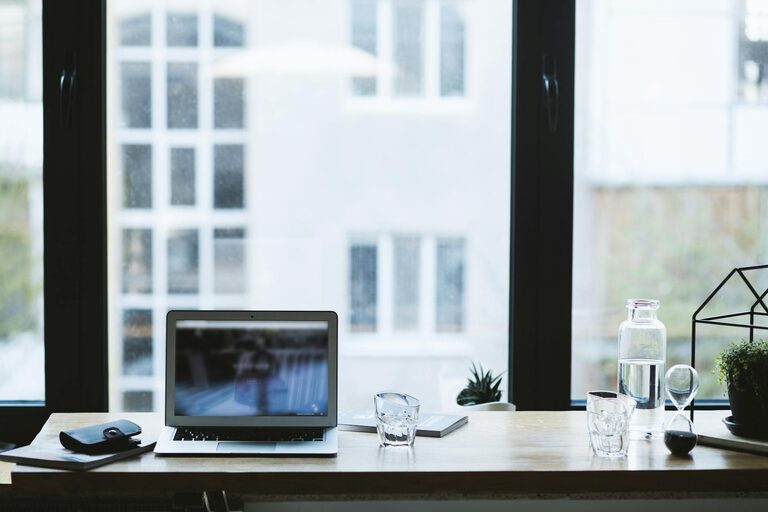
Creating a productive home office environment is essential for anyone working remotely or running a business from home. A well-designed space can improve concentration, reduce stress, and help separate your work life from your personal life. Whether you are setting up a new home office or looking to refresh your current one, these tips will guide you in creating an effective and comfortable workspace.
Choose the Right Location
Selecting the best spot for your home office is the first step. Ideally, this should be a quiet area away from household distractions. Some factors to consider include:
– Natural light: Position your desk near a window if possible. Natural daylight boosts mood and energy levels.
– Privacy: A room where you can close the door or at least a corner away from high-traffic zones helps maintain focus.
– Space: Ensure there is enough room for your desk, chair, and any necessary equipment.
Invest in Ergonomic Furniture
Comfort plays a vital role in productivity. Spending on ergonomic furniture can save you from discomfort and potential health issues.
– Chair: Choose an adjustable chair with good lumbar support to maintain proper posture.
– Desk: Your desk should be at a height that allows your elbows to be at a 90-degree angle when typing.
– Accessories: Consider a footrest, monitor stand, or external keyboard and mouse to create a comfortable setup.
Organise Your Desk and Storage
A cluttered desk can distract and lower your efficiency. Keep your workspace tidy by organising it well.
– Declutter regularly: Remove items that you don’t frequently use.
– Storage solutions: Use shelves, drawers, or filing cabinets to keep documents and supplies organised.
– Cable management: Use cable clips or trays to keep wires out of sight and prevent tangling.
Create a Comfortable Ambience
The atmosphere of your home office affects your mood and performance. You can tailor it to boost your productivity.
– Lighting: Besides natural light, invest in good-quality task lighting to reduce eye strain.
– Temperature control: Make sure the room is neither too hot nor too cold.
– Plants: Adding greenery can improve air quality and create a calming effect.
– Personal touches: Decorate with motivational quotes, artwork, or photos while avoiding distractions.
Minimise Distractions
Distractions can negatively impact your workday. Implement strategies to keep them at bay.
– Noise control: Use noise-cancelling headphones or play background music if it helps concentration.
– Set boundaries: If you share your home, communicate your working hours clearly to family or housemates.
– Limit digital distractions: Turn off non-essential notifications on your computer and phone.
Establish a Routine and Set Goals
Having a routine and defined goals helps maintain productivity.
– Working hours: Set regular start and finish times to create work-life balance.
– Breaks: Take short breaks to avoid burnout; the Pomodoro Technique (25 minutes work, 5 minutes break) is a popular method.
– Daily goals: Make a to-do list or use productivity apps to prioritise tasks for the day.
Utilise Technology Wisely
Technology is vital for a home office but can also be a source of distraction.
– Reliable internet: Invest in a stable internet connection to avoid interruptions.
– Tools: Use apps for video calls, project management, and note taking.
– Backup: Regularly back up your files to cloud storage or an external drive to avoid data loss.
Maintain Your Work-Life Balance
Finally, separating work from home life is crucial for long-term productivity and wellbeing.
– Dedicated workspace: When work is done, leave your home office to mentally switch off.
– Physical activity: Incorporate movement into your breaks or daily routine.
– Social interaction: Stay connected with colleagues or friends to prevent isolation.
Conclusion
Designing a productive home office environment involves thoughtful planning and a few practical changes. By choosing an appropriate space, investing in comfort, staying organised, and managing distractions, you can create a workspace that supports your best work. Remember to balance work and personal life carefully for sustained success and wellbeing.