
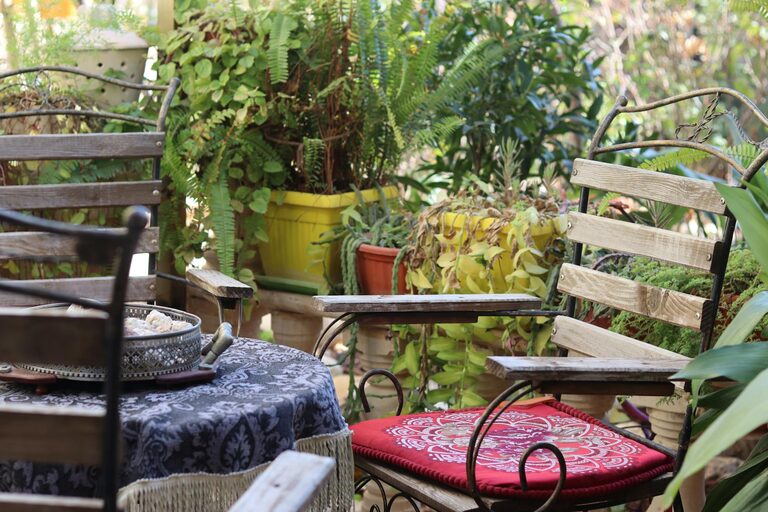
Creating a relaxing outdoor space in your garden is a wonderful way to enhance your home environment. Whether you have a spacious garden or a small backyard, thoughtful planning and design can turn it into a peaceful retreat. This guide offers practical tips for making your garden a calm, enjoyable place that invites you to relax and disconnect from the stresses of everyday life.
Choose the Right Location
The first step to creating a relaxing outdoor space is deciding where in your garden you want to focus your efforts.
– Consider sun and shade: Different times of day bring varying amounts of sunlight. Choose a spot that offers a comfortable balance between sun and shade.
– Privacy matters: Look for an area tucked away from neighbours’ views or use screens, hedges, or walls to create a more private atmosphere.
– Wind protection: Sheltered areas can be more comfortable, especially if your garden is exposed to strong breezes.
Create Comfortable Seating Areas
A relaxing garden is one where you can sit comfortably for long periods.
– Select weather-resistant furniture: Materials like treated wood, metal, or synthetic fibres withstand outdoor conditions well.
– Add cushions and throws: Soft furnishings increase comfort and add a touch of colour and personality.
– Consider different seating types: Options such as benches, hammocks, or lounge chairs let you choose your preferred way to relax.
Incorporate Natural Elements
Natural features can make your garden feel calm and inviting.
– Plants and greenery: Use a mix of shrubs, flowers, and trees to bring in texture, fragrance, and colour.
– Water features: A small fountain, birdbath, or pond adds soothing sounds and visual interest.
– Rocks and pebbles: Decorative stones can define paths or borders and create a natural vibe.
Use Lighting to Set the Mood
Good lighting extends your garden’s usability into the evening and creates a welcoming atmosphere.
– Soft, warm lighting: Use string lights, lanterns, or solar-powered lamps to add gentle illumination.
– Pathway lights: These improve safety while guiding visitors through the space.
– Highlighting features: Spotlights can draw attention to plants, water features, or garden art.
Add Personal Touches and Decor
Personalising your garden space makes it feel truly yours.
– Garden art: Sculptures, wind chimes, or decorative pots can bring character.
– Outdoor rugs and mats: These help define seating areas and add comfort.
– Fire pit or chiminea: If safe and allowed, they provide warmth and a cosy gathering spot.
Keep It Low Maintenance
A relaxing space should not cause stress through constant upkeep.
– Choose easy-care plants: Select varieties suited to your climate and soil that don’t require frequent watering or pruning.
– Use mulch: This suppresses weeds and helps retain soil moisture.
– Install an irrigation system: Automatic systems save time and ensure your plants stay healthy.
Create Zones for Different Activities
If space allows, design your garden with distinct areas to suit various relaxing activities.
– Reading nook: A quiet corner with comfortable seating and good lighting.
– Dining area: A table and chairs for outdoor meals and gatherings.
– Play or exercise space: Room for yoga, stretching, or children’s activities.
Maintain Cleanliness and Organisation
An organised garden feels more restful.
– Regular tidying: Remove fallen leaves and debris.
– Storage solutions: Use garden sheds or storage boxes to keep tools and equipment out of sight.
– Clear pathways: Ensure walkways are free from obstacles.
Final Thoughts
Transforming your garden into a relaxing outdoor space is about combining comfort, natural beauty, and personal style. Start small if needed, and gradually build your perfect retreat. Spending time in a calm and inviting garden can uplift your mood and provide a pleasant space to unwind throughout the year. Happy gardening!