
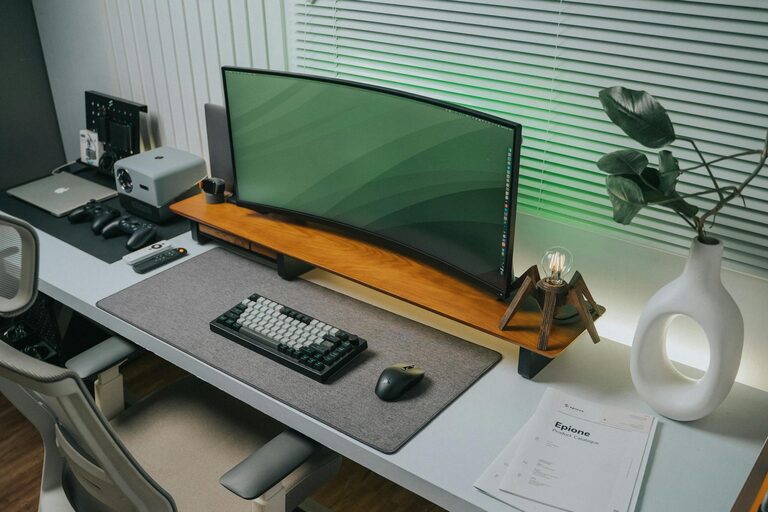
Creating a sustainable and organised home workspace can significantly improve your productivity while reducing your environmental footprint. Whether you work from home full-time or occasionally need a dedicated area for tasks and projects, a well-designed space can make all the difference. Below, we explore thoughtful strategies to help you build a workspace that’s both eco-friendly and efficient.
Why Prioritise Sustainability and Organisation?
A sustainable workspace focuses on minimising waste, choosing eco-friendly materials, and optimising energy use. Meanwhile, an organised setup helps reduce distractions and saves time by making tools and documents easy to find. Combining these goals creates a balanced environment where you can focus and feel good about your choices.
Choosing the Right Location and Furniture
Select a Suitable Space
Start by identifying an area in your home that receives natural light, if possible. Natural light not only reduces electricity use but also helps maintain alertness and wellbeing.
Invest in Sustainable Furniture
Look for desks, chairs, and storage units made from renewable or recycled materials. Many retailers now offer furniture certified by organisations such as FSC (Forest Stewardship Council), ensuring wood comes from responsibly managed forests.
Prioritise Ergonomics
Comfort is key to long-term productivity. Choose adjustable chairs and desks that promote good posture. Ergonomic accessories like keyboard rests or foot supports reduce strain, helping you maintain focus.
Decluttering and Storage Solutions
Keep Only What You Need
Start by sorting through your office items, keeping essentials and donating or recycling the rest. A clutter-free surface encourages clarity and reduces stress.
Use Multi-Purpose Storage
Opt for storage boxes and organisers made from sustainable materials like bamboo or recycled plastic. Containers with multiple compartments can hold stationery, cables, and documents efficiently.
Label Everything
Clear labelling helps you quickly locate items and encourages consistent organisation. Use reusable labels or chalkboard stickers to avoid waste.
Eco-Friendly Tech Practices
Choose Energy-Efficient Devices
When purchasing electronics, look for products with energy-saving features or energy star ratings. Devices that consume less power not only save money but also reduce your carbon footprint.
Power Management
Make it a habit to switch off devices completely when not in use. Using a smart power strip prevents standby power drain, which can add up over time.
Digital Declutter
Organise your digital files regularly to reduce stress and improve efficiency. Cloud storage options can free up physical space but choose providers committed to renewable energy.
Lighting and Air Quality
Maximise Natural Light
Arrange your desk near windows to take full advantage of daylight. This reduces dependence on artificial lighting and helps regulate your circadian rhythm.
Use Energy-Saving Bulbs
When artificial lighting is necessary, use LED bulbs as they consume less energy and last longer than traditional options.
Enhance Air Quality
Plants are natural air purifiers that can brighten your workspace. Choose low-maintenance varieties like spider plants, snake plants, or peace lilies. Additionally, regularly ventilate the room to ensure fresh air circulation.
Papers, Printing, and Waste Management
Go Paperless Where Possible
Reduce paper use by opting for digital notes, calendars, and documents. Digital apps often offer better search and organisation features.
Recycle and Compost
Set up separate bins for recycling and composting within easy reach. This encourages responsible waste disposal without disrupting workflow.
Use Recycled Paper and Eco-Friendly Inks
If printing is necessary, select recycled paper and refillable or vegetable-based ink cartridges to lessen environmental impact.
Personalising Your Sustainable Workspace
Add Meaningful Decor
Include a few personal touches like photos, artwork, or small items made from sustainable materials. Keep decorations minimal to maintain organisation.
Incorporate Natural Elements
Items such as wooden pen holders or stone paperweights add texture and warmth without harming the environment.
Maintain Routine Tidying
Regularly spending a few minutes to tidy your workspace keeps it inviting and functional, helping sustain good habits.
Final Thoughts
Designing a sustainable and organised home workspace doesn’t have to be complicated or costly. By making intentional choices about location, furniture, technology, and habits, you create a space that supports both your productivity and environmental responsibility. Start small, and over time your workspace can evolve into a harmonious place where you enjoy working every day.